 Payment through LawPay

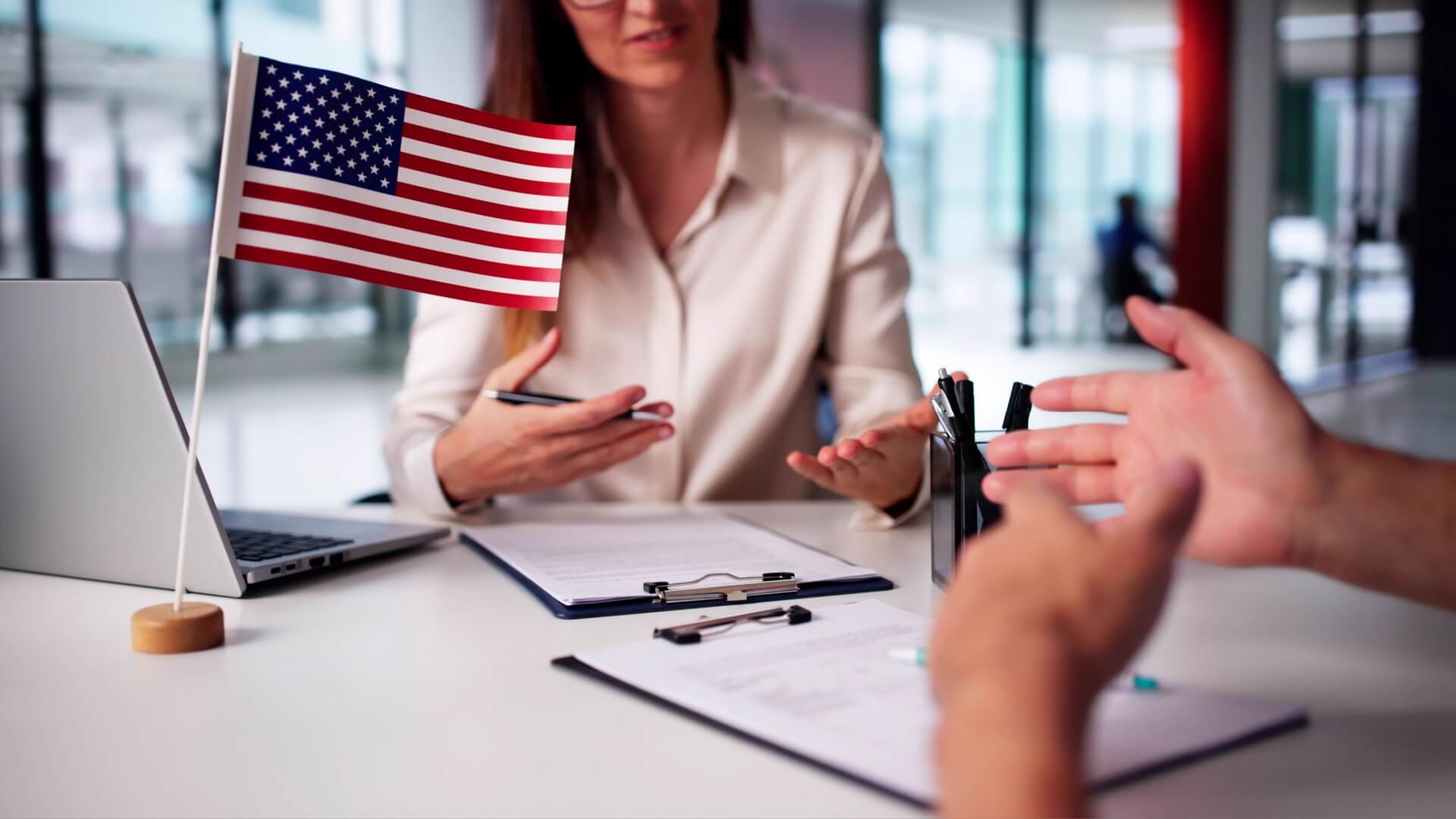

What is the New Rule for U.S. Visas?
New U.S. Visa Rule: Interview Waivers End in September 2025
The U.S. Department of State has announced a significant change to the visa application process that will affect millions of applicants worldwide. Starting September 2, 2025, most non-immigrant visa applicants will be required to attend in-person interviews, marking the end of interview waivers that have been available for decades.
This new visa rule represents one of the most substantial changes to U.S. immigration procedures in recent years. Whether you’re planning a business trip, family visit, or vacation as a tourist in the United States, understanding the updated rules for U.S. visas is crucial for successful application planning.
The policy shift will impact everyone from young children to elderly applicants who previously qualified for interview waivers. If you’re considering travel to the U.S. or have upcoming visa renewal needs, here’s everything you need to know about navigating this new landscape.
The History of U.S. Visa Interview Waivers
Interview waivers have long served as a streamlined option for certain visa applicants, particularly those considered low-risk. These waivers enabled applicants to submit their documentation without having to appear in person at a U.S. consulate or embassy.
Previously, children under 14 and adults over 79 were typically exempt from interview requirements. Additionally, many applicants renewing visas within specific timeframes could avoid the interview process entirely. This system was designed to reduce consular workload while maintaining security standards for routine applications.
The waiver system also extended to certain categories of repeat travelers who had established positive visa histories with the United States. These policies helped manage the enormous volume of visa applications processed annually while focusing consular resources on cases requiring additional scrutiny.
Key Details of the New Rule
The updated policy takes effect on September 2, 2025, and fundamentally changes how non-immigrant visas are processed. Under these new visa rules, most applicants will need to schedule and attend in-person interviews regardless of age or previous visa history.
This change affects all age groups, including children and elderly applicants who were previously exempt from this requirement. The U.S. Department of State has updated its waiver policy to require interviews for virtually all non-immigrant visa types, including tourist and business visas, as well as student and temporary worker applications.
The policy represents a comprehensive shift toward enhanced security screening and personal vetting of visa applicants. Consular officers will now have direct contact with a much broader range of applicants, allowing for more thorough assessment of each case.
Processing times are expected to increase significantly as consular offices adapt to the higher volume of required interviews. Applicants should plan accordingly and apply well in advance of their intended travel dates.
Limited Exceptions to the New Rule
While the new policy is comprehensive, several narrow exceptions remain. Diplomatic and official visa applicants will continue to be exempt from the interview requirement, maintaining established protocols for government-to-government travel.
Certain visa renewals may still qualify for waivers under specific circumstances. Applicants renewing a B1 (business), B2 (tourist), or Border Crossing Card visa within 12 months of its expiration may be eligible, provided they were at least 18 years old when their prior visa was issued.
However, any previous interview waiver determinations become invalid under the new policy. Applicants cannot rely on prior waiver eligibility to avoid interviews going forward. Each application will be evaluated under the updated standards.
Additionally, applicants with any history of visa violations will be required to appear for interviews regardless of other factors. This includes individuals who have previously overstayed their visas, violated the terms of their admission, or had other compliance issues.
Reasons Behind the Policy Change
The U.S. government has implemented these changes as part of enhanced security measures and more thorough vetting processes. Officials cite the need for improved face-to-face assessment capabilities and stronger fraud prevention measures.
Consular interviews allow officers to evaluate applicant credibility, verify information, and assess travel intentions more effectively than document-only reviews. This direct interaction helps identify potential security concerns and ensures compliance with immigration laws.
The policy also reflects evolving global security considerations and the government’s commitment to maintaining robust border security while facilitating legitimate travel. Enhanced screening procedures are viewed as necessary adaptations to current international conditions.
Impact on Visa Applicants
These new rules for U.S. visas will create several practical challenges for applicants. Interview scheduling may become more competitive, with longer waiting periods for available appointments at busy consular posts.
Applicants should expect increased preparation requirements, including gathering comprehensive documentation and practicing interview responses. The personal nature of consular interviews demands more thorough preparation than document-only applications.
Travel costs will likely increase for many applicants, particularly those residing far from U.S. consular facilities. Families with multiple applicants may face substantial additional expenses for travel and accommodation near consular offices.
Processing timelines will extend beyond current standards as consular offices adjust to higher interview volumes. Applicants should apply several months in advance of planned travel to accommodate potential delays.
Preparing for Your Visa Interview
Success under the new system requires careful preparation and attention to detail. Gather all required documentation well in advance, including financial records, employment verification, and travel itineraries.
Practice explaining your travel purpose clearly and concisely. Consular officers appreciate direct and honest responses that demonstrate legitimate travel intentions. Prepare to discuss your ties to your home country and the reasons for returning after your visit to the U.S.
Dress professionally and arrive early for your appointment. Consular interviews are formal proceedings, and your presentation can influence the officer’s perception of your application. Bring original documents and organized copies for submission.
Be prepared to answer questions about your background, travel history, and specific plans in the United States. Honest, consistent responses that align with your application materials will strengthen your case.
Consider potential follow-up questions and have supporting evidence readily available. Officers may ask for additional clarification on employment, finances, or travel plans during the interview process.
Professional Immigration Assistance
At Alvelo Immigration Legal Solutions, PLLC, we understand that the immigration process can be overwhelming, but you don’t have to face it alone. Here, you’ll receive personalized service and individualized attention tailored to your specific needs. Our office is led by attorney Wanda Alvelo, who is fully bilingual in Spanish and English. This means you can communicate directly with her, without the need for interpreters, ensuring that your concerns are fully understood and addressed.
With a strong background in handling complex immigration cases and a deep understanding of immigration law, we are here to guide you every step of the way. Whether you want to adjust your legal status, reunite with loved ones, or protect your rights, we are committed to working with you to achieve your goals. Attorney Alvelo values the personal connection with her clients, understanding that each case represents a unique story and a future full of possibilities.
At Alvelo Immigration Legal Solutions, PLLC, your future is our priority. Let us help you turn challenges into opportunities. Contact us today to schedule your free initial consultation and take the first step in your immigration process.